



You’ve heard the pitch before: “The US is the world’s largest consumer market.” “Americans love Indian products.” “The dollar is strong.” All of it is true. None of it is the full picture.
What often goes unsaid is this: most Indian exporters who enter the US don’t fail because their product falls short. They fail because they assume the US is just a scaled-up version of a market they already understand. It isn’t!
For founders who take the time to understand these nuances, the opportunity is enormous. This guide breaks down what the US market really looks like, why it’s worth considering, and whether you’re actually ready to build for it.
The US: Market Landscape
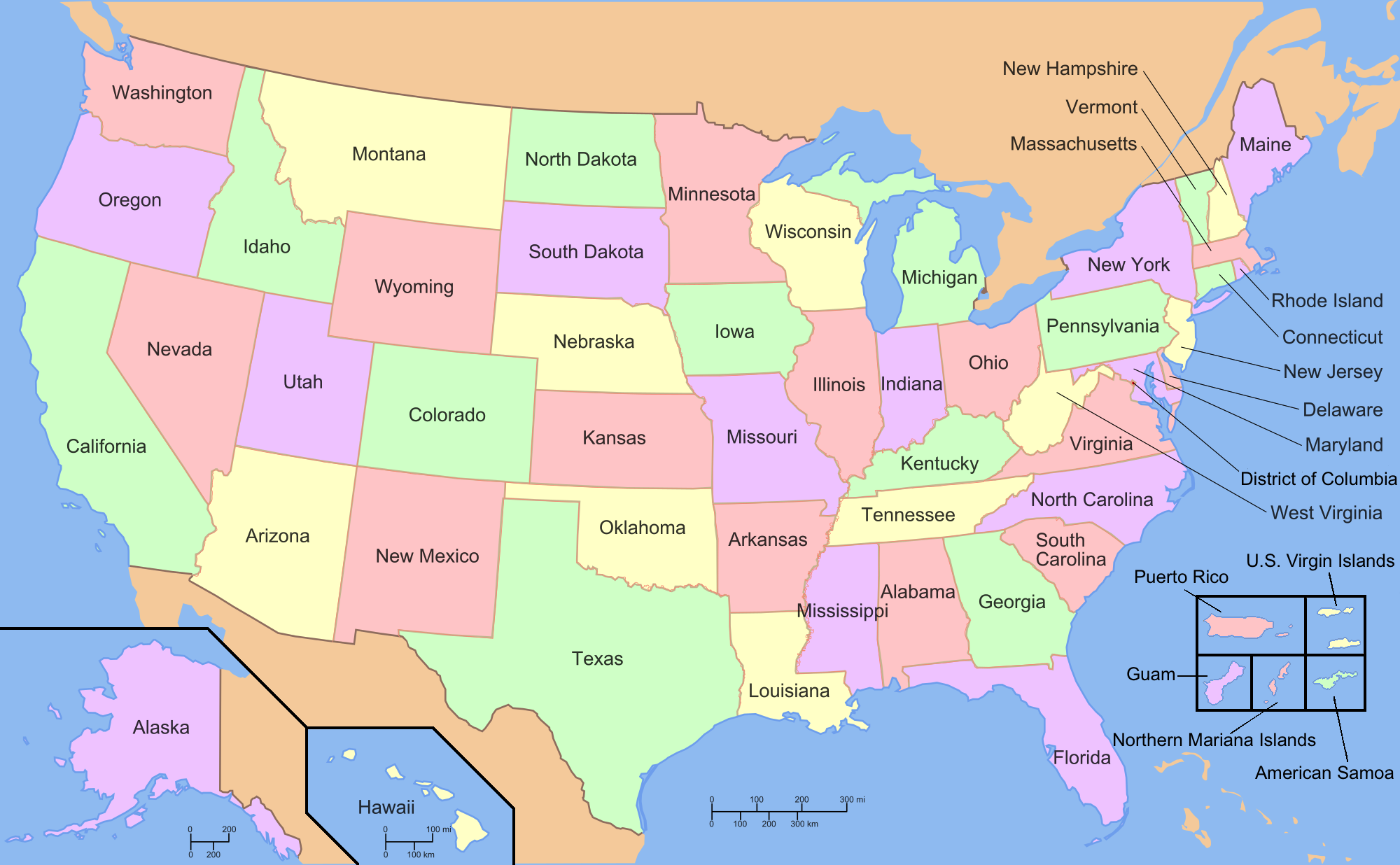
Let’s start with scale, because it’s genuinely staggering.
$18.7 trillion in total consumer spending annually, the highest of any single country
$1.1 trillion+ in e-commerce sales (2024), growing at 10-12% year-on-year
335 million consumers with a median household income of ~$74,000
Indian exports to the US crossed $83 billion in FY2024, and that’s just the beginning
But here’s the number that should really get your attention: the US imports over $3 trillion in goods every year. It cannot manufacture everything its consumers want. That gap is your opportunity.
For Indian exporters specifically, the US is already the single largest destination market. Pharmaceuticals, textiles, engineering goods, gems and jewellery, chemicals: India ships all of it. And increasingly, so do D2C brands, artisan producers, and niche manufacturers who’ve figured out how to go direct.
Why the US Over Other Markets?
There’s no shortage of great markets to expand into- the UAE, UK, Germany, Australia, each with clear opportunities. So why do so many founders eventually turn to the US? Here’s why:
1. The Dollar Advantage
At roughly ₹84-85 to the dollar (and historically ranging from ₹70-90), the USD gives Indian exporters a structural cost advantage. A product you manufacture for ₹500 can retail for $15-20 in the US, and that’s a margin profile that simply doesn’t exist in most other markets.
2. A Market That Rewards Differentiation
In the US, consumers don’t just buy products- they buy stories, design, sustainability, and authenticity. And they’re willing to pay for it.
A handwoven textile that might struggle to sell at ₹800 in India can command $40–60 in the US with the right positioning.
3. Access to Large-Scale Demand
Selling in the UK gives you access to ~67 million people. In the US, that number jumps to 300M+. But more importantly, you’re operating within a largely unified ecosystem- one primary language, consolidated platforms like Amazon, Shopify, and Walmart, and a logistics backbone built for scale.
4. Strong Distribution Through Amazon
Amazon US is the world’s most powerful product distribution engine. With over 200 million Prime members and a majority of product searches starting directly on Amazon, it effectively acts as the country’s default shopping platform.
For an Indian exporter, a well-optimised Amazon listing, with the right pricing, reviews, and positioning, can feel like being stocked across every major US city at once.
5. The Indian Diaspora as an Entry Point
The US is home to over 4 million Indian-origin consumers, many of whom are concentrated in affluent urban markets like New York, San Francisco, Chicago, Houston, and New Jersey.
They’re high-spending, culturally aligned, and more likely to trust and try Indian brands early. For many exporters, this audience becomes the initial traction engine.
Top Categories for Indian Exporters
Not every product category translates equally well to global markets. Over time, certain categories have consistently performed better for Indian exporters, driven by factors like cost advantage, craftsmanship, raw material access, and manufacturing scale.
Handcrafted & Artisan Products Woodwork, pottery, textiles, leather goods, metalwork: anything with genuine craft heritage commands premium pricing and strong differentiation. The “handmade in India” story resonates in the US in a way it doesn’t in many other markets.
Wellness & Ayurveda The US wellness market is $480 billion and growing. Ayurvedic supplements, herbal skincare, essential oils, and traditional wellness products are in genuine demand. Compliance (FDA registration for supplements, proper labelling) is critical, but the market is wide open for quality Indian brands.
Home Décor & Furnishings Indian home décor, block prints, brass, cane, and sustainable materials are on-trend in the US right now. The “global living” aesthetic has a permanent place in American homes, and Indian craftsmanship is at the centre of it.
Apparel & Sustainable Fashion American consumers are actively looking for sustainable alternatives to fast fashion- Indian handloom, natural dyes, organic cotton. Brands like FabIndia and Anokhi have proven the blueprint.
Speciality Foods Indian spice blends, ready-to-cook kits, snacks, and condiments are finding mainstream shelf space, not just in ethnic grocery stores but in Whole Foods, Trader Joe’s, and Amazon Fresh.
B2B & Industrial Goods If you’re not consumer-facing, the US is still the world’s largest B2B market. Engineering components, chemicals, textiles for industrial use, pharma intermediates, etc.
Is Your Business Ready for the US?
The US market is not for everyone, and it’s definitely not for the underprepared. Before you commit, ask yourself:
Can your product meet US standards? We’ll cover certifications and compliance in the next article, but if you haven’t started thinking about CPSC, FDA, or FCC requirements for your category, start now.
Do you have the cash to wait? Building in the US takes 12-18 months before you see real traction. Inventory, compliance costs, Amazon setup, marketing, returns: the upfront investment is real. If you need cash flow in 90 days, the US is not your first market.
Can you handle the timezone and communication gap? US buyers, partners, and customers expect responsiveness. 12-hour time differences are manageable with systems, but “we’ll get back to you in 2-3 days” will cost you deals.
Is your product ready for English-language packaging and marketing? Not translated, truly adapted. American consumers read labels, check ingredients, look for certifications, and notice when packaging looks like it was designed for a different market.
Timing matters. Indian exports to the US are at an all-time high, but so is competition. Chinese sellers are facing pressure from tariffs and shifting geopolitics, and US importers are actively looking for alternatives. India is well-positioned to benefit from this shift, but only if exporters enter the market with the right product, compliance, and positioning.
Over the next 24 months, brands that move early have a real opportunity to establish themselves within their categories.
Product Readiness Checklist for the US Market
Use this checklist to assess your US readiness:
Market Fit
Identify which US category your product fits into
Research at least 10 comparable products on Amazon.com
Confirm there is demand (search volume, existing sales) in your category
Identify your differentiation from Chinese and domestic US competitors
Have a point of contact or advisor with US market experience
Financial Readiness
Estimate a 12-18 month runway for the US market entry
Understand the USD/INR impact on your margin structure
Budget for compliance, certifications, and market-entry costs
Product Readiness (Preview)
Start researching which US regulatory bodies govern your product category
Confirm your packaging can be adapted for English-language US consumers
Assess whether your manufacturing can meet US quality and labelling requirements
Final Thoughts
The US market is indifferent to your past wins. It doesn’t care how many countries you’ve exported to or how good your product is in isolation. It rewards one thing: how well you show up- through preparation, positioning, and persistence.
The upside, however, is unique. Get it right, and the benefits compound- visibility, customer loyalty, and brand equity that strengthens over time and becomes hard to displace.
Other markets prepare you. The US tests you. Build accordingly!
Related Articles


Dive into Vault today & unlock a world of possibilities.