



You’ve done the hard part- your product is ready for Canada. Regulations? Sorted. Packaging? Done. Logistics? Mapped.
Now comes the decision that can make or break your Canadian journey: pricing.
Pricing for Canada isn’t as simple as converting INR to CAD and adding a margin. You’re stepping into a market where a coffee in downtown Toronto can cost CAD 6, tax structures shift from province to province, and customers actively compare prices across borders.
So, what actually works?
The Canadian Pricing Landscape
Canada sits in a unique spot. It’s geographically part of North America, economically strong and developed, but it doesn’t behave exactly like the US market. There’s real purchasing power. Median household income hovers around CAD 70,000, and in cities like Toronto, Vancouver, and Calgary, it’s even higher. Canadians are willing to spend on quality products and premium experiences.
Cross-border comparison is second nature. A significant share of Canadians shop from US platforms like Amazon.com, mentally convert prices, and quickly judge whether the Canadian pricing holds up.
India’s export basket to Canada is diversified, yet heavily concentrated in pharmaceuticals, engineering goods, and textiles. The pricing of these goods is highly sensitive to global commodity fluctuations and the specific tariff regimes applied at the Canadian border.

Understanding Regional Price Variations
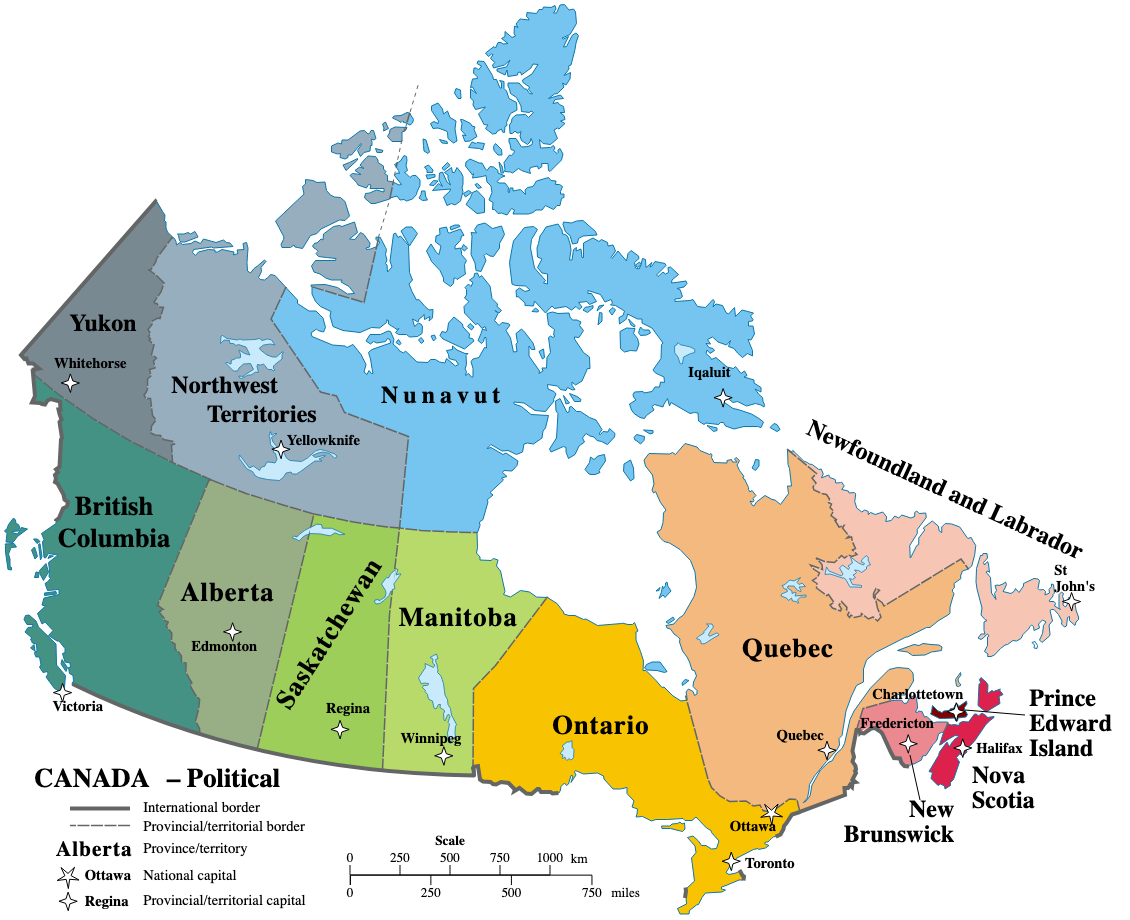
Canada isn’t a single, uniform market- it’s a collection of distinct regional markets held together by federal regulations and a common currency.
What works in Toronto might not resonate the same way in Montreal, and pricing that feels right in Vancouver could fall flat in Calgary. Each province comes with its own tax structures, cost of living, consumer expectations, and even cultural nuances. Language, lifestyle, and spending behaviour can shift significantly across regions.
The Major Metro Premium
Toronto, Vancouver, and Montreal account for roughly a third of Canada’s population. These cities have high costs of living, high incomes, and consumer expectations shaped by global exposure.
Toronto (Greater Toronto Area - 6.4 million people): The country’s financial and business hub. Consumers here are accustomed to premium pricing, especially in downtown core areas. A CAD 200 product that might feel expensive elsewhere can feel reasonable here.
Vancouver (Metro Vancouver - 2.6 million people): Canada’s gateway to Asia-Pacific, with strong connections to tech, trade, and outdoor lifestyle. Housing costs are astronomical, but discretionary spending remains strong. Sustainability and wellness products command premium pricing. Outdoor and fitness categories perform particularly well.
Montreal (Greater Montreal - 4.3 million people): Quebec’s economic centre and a distinctly bilingual market. Price sensitivity is slightly higher than in Toronto or Vancouver. Cultural products, fashion, and food categories perform well.
Secondary Cities with Growing Power
Calgary and Edmonton (Alberta): Energy sector wealth creates spending power, though it fluctuates with oil prices. Lower provincial taxes (no PST) mean your take-home pricing can be more competitive. Conservative buying patterns in some categories, but strong adoption of practical, high-quality products.
Ottawa-Gatineau (1.4 million people): Government town with stable, professional incomes. The bilingual requirement is highest here. B2B SaaS and professional services find good traction.
Winnipeg, Halifax, Victoria, Quebec City: Mid-sized markets (200,000-800,000 people) with distinct characteristics. Generally, more price-sensitive than major metros, but loyal customers once you earn their trust.
How To Set Pricing For Canadian Products?
1. Canadian Tax Structure & How It Affects The Pricing
Canadian taxes are complicated, and directly impact how customers perceive your pricing.
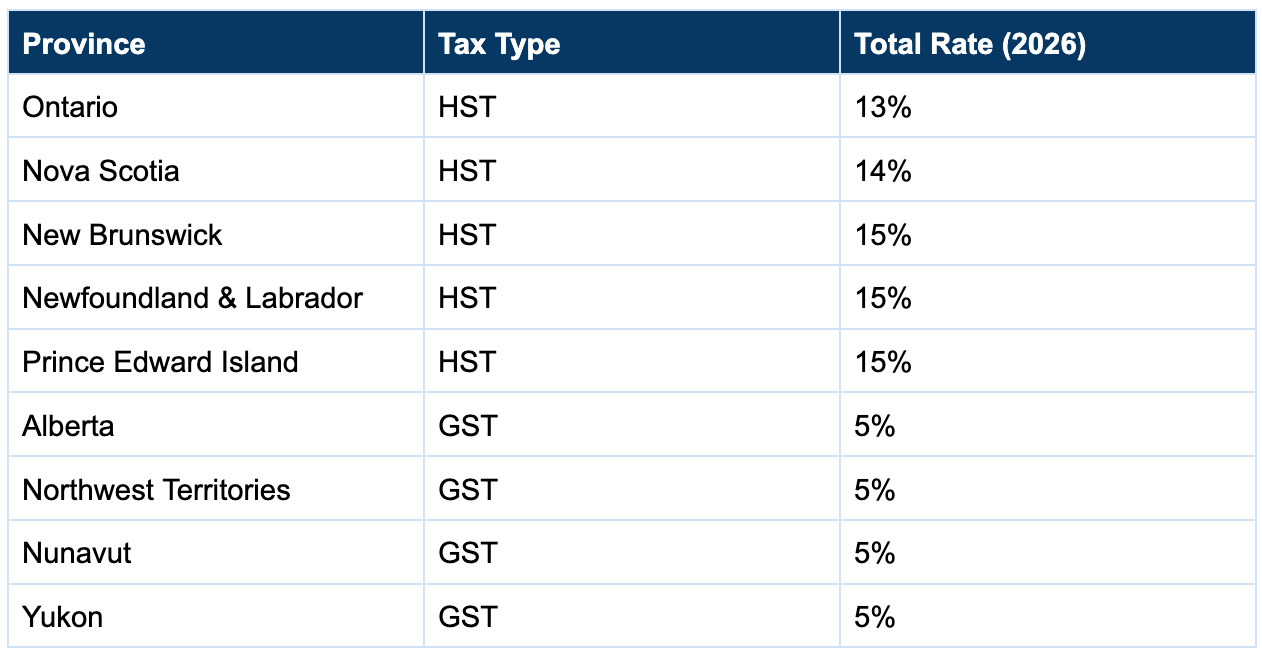
Understanding the Tax Structure
GST (Goods and Services Tax): 5% federal tax, applies everywhere.
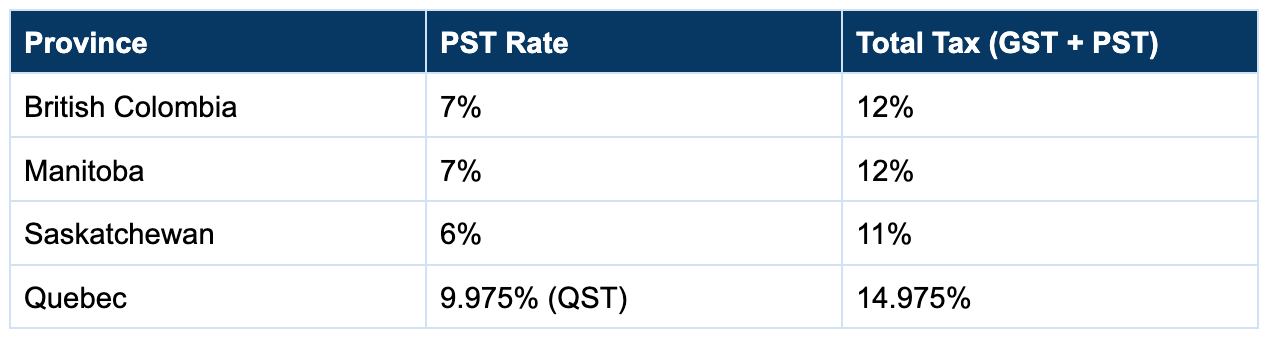
PST (Provincial Sales Tax): Varies by province.
HST (Harmonised Sales Tax): Combines federal and provincial taxes
No provincial tax: Alberta (GST only), Northwest Territories, Nunavut, Yukon.
Unlike a centralised VAT, Canada applies a mix of federal and provincial taxes that vary significantly by geography.
Provinces like British Columbia, Manitoba, and Saskatchewan maintain separate Provincial Sales Taxes (PST) that are applied in addition to the 5% federal GST.
The Pricing Display Decision
Should you show prices with or without tax?
For D2C retail: Most Canadian retailers display prices WITHOUT tax, adding it at checkout. This is standard practice, and consumers expect it. A CAD 99.99 product becomes CAD 112.99 in Ontario (with 13% HST) or CAD 104.99 in Alberta (with 5% GST only).
For SaaS and B2B: It varies. Some companies show prices excluding tax, others include it. Be consistent across your site, and clearly label which approach you’re using.
Pro tip: For high-consideration purchases (anything over CAD 500), showing the after-tax price upfront can actually increase conversion.
Tax Collection Responsibilities
If your annual revenue in Canada exceeds CAD 30,000, you must register for and collect GST/HST. This isn’t optional.
You’ll need to:
Collect the appropriate tax rate based on the customer’s province
Remit taxes to the CRA quarterly or annually (depending on your revenue)
Keep detailed records for seven years
Most e-commerce platforms (Shopify, WooCommerce) handle tax calculation automatically. For SaaS, services like Stripe Tax or Quaderno can manage this complexity.
2. Bilingual Market & How it Affects Pricing
Canada isn’t just geographically diverse- it’s linguistically distinct. With both English and French as official languages, your pricing strategy has to account for more than just numbers. All information required by the Act, with the exception of the dealer’s name and address, must be shown in both English and French.
In Quebec, the Charter of the French Language sets strict requirements- French must be equally or more prominent across packaging, advertising, and customer-facing materials.
Website and app localisation: Professional translation costs CAD 0.15-0.30 per word. A 10,000-word website is CAD 1,500-3,000 to translate professionally.
Customer support: Bilingual support staff command 10-20% higher salaries in markets like Montreal or Ottawa.
Marketing materials: Every campaign, email, and landing page needs French versions. Double your content creation costs for Quebec-targeted campaigns.
Packaging and labelling: Bilingual packaging is mandatory. Design costs increase 20-30%, printing costs might increase 10-15% for smaller runs.
That cost needs to be factored directly into your pricing from day one.
3. Competitive Analysis & How it Affects Pricing
You can’t price in isolation- you need to understand what you’re up against.
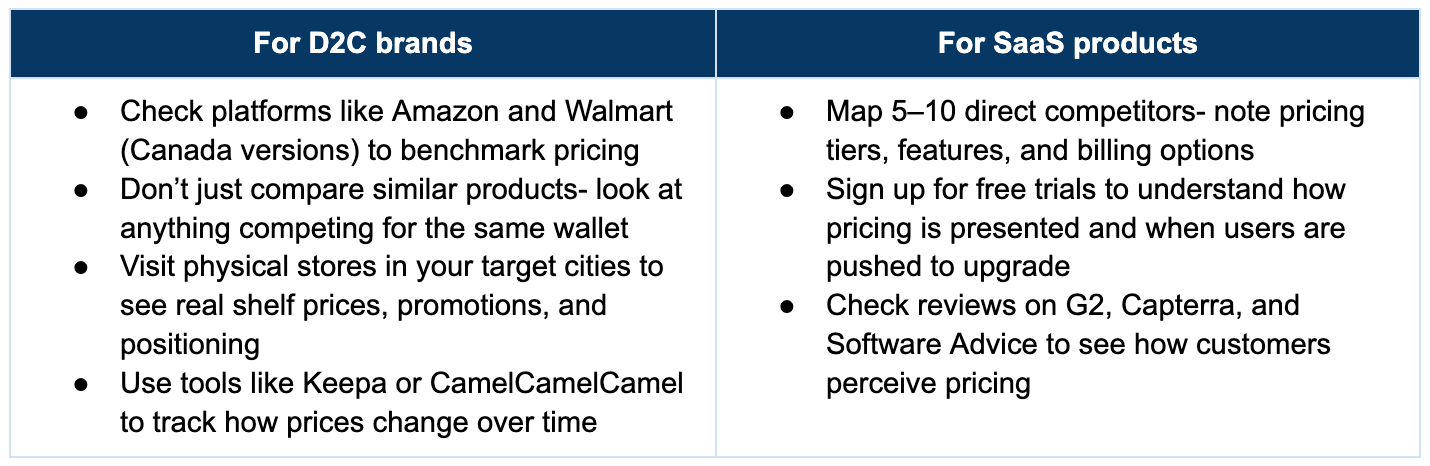
How Do You Research Your Competitive Set?
How Do You Position Against Competitors?
Premium pricing (20%+ above competitors): Only works if you have clear differentiation. Better quality, unique features, superior service, or a compelling brand story.
Parity pricing (±10% of competitors): Compete on non-price factors like brand, customer experience, or specific features your target segment values.
Value pricing (15-30% below competitors): Viable if your costs are genuinely lower (D2C model vs. retail distribution, Indian production costs, etc.) but dangerous if it signals lower quality.
Disruptive pricing (50%+ below competitors): Rare and risky. Only works if you’ve genuinely cracked a cost structure others haven’t, and even then, communicates clearly why you’re so much cheaper.
4. Cross-Border Dynamics & How It Affects Pricing
Canadian consumers constantly compare prices with US alternatives, factoring in exchange rates, shipping, and duties. It’s benchmarked against what they could pay across the border, so any premium needs a clear justification.
The Cross-Border Calculation
When a Canadian considers buying from a US retailer, they’re doing mental math:
US price in USD
Shipping to Canada (CAD 15-40 for most items)
Currency conversion (typically 1.25-1.35x)
Duties and taxes (varies by product category, often 5-20%)
Potential return hassles (international returns are painful)
Example: A USD 100 product from a US retailer becomes roughly CAD 150-180 all-in, plus hassle.
Note: Your Canadian pricing can be 20-30% higher than US alternatives and still be competitive when all factors are considered.
5. Seasonal Cycles & How It Affects the Pricing
Canada’s seasons don’t just affect weather- they shape buying behaviour. Demand, product relevance, and even willingness to pay can shift dramatically across the year, from winter peaks to summer slowdowns.
Your pricing needs to adapt to these cycles, aligning with when demand is highest, competition intensifies, or inventory needs to move.
Black Friday/Cyber Monday (November): Canadians expect deals. 20-40% off is standard. This is table stakes, not a competitive advantage.
Boxing Day (December 26): Massive shopping day in Canada. Similar discounts to Black Friday.
Back to School (August-September): Relevant for education, productivity tools, and certain apparel categories.
Holiday season (November-December): Gift-appropriate products can command slight premiums, but also face heavy promotional competition.
Summer (July-August): Outdoor, travel, and lifestyle categories peak. Winter gear goes on clearance.
Winter (January-March): Winter gear premium pricing early, clearance later. Tax refund season (March-April) drives some spending.
Final Thoughts
Pricing in Canada isn’t plug-and-play. It’s layered, contextual, and constantly compared across provinces, platforms, and even borders. Customers aren’t just looking at your price in isolation; they’re evaluating it against alternatives they can access just as easily.
If your pricing makes sense locally and stands up to cross-border comparisons, you’re in a strong position. If it doesn’t, the market won’t wait to correct you. So, start with a strong hypothesis, but expect it to change as you gather real-world data. Test across regions, refine based on customer behaviour, and stay responsive to competitive shifts.
Related Articles


Dive into Vault today & unlock a world of possibilities.