


Sachit Sharma spent his college years chasing the highest campus package, only to realise years later that the real education was watching founders build. At Flipkart, he saw the risks people took to turn nothing into something- and it changed what he wanted for himself. Today, as co-founder of Deepsolv, he's building the decision-making brain marketing teams didn't know they were missing.
I don’t think I always knew I wanted to become an entrepreneur.
I was born in Himachal and grew up in Delhi. In my family, everyone had jobs. Also, there was never really any pressure on me to follow a particular path. Being the youngest probably helped, as I was given the freedom to figure things out on my own.
But even as a kid, I liked building things..
During school and college, I was always organising events - chess tournaments, coding events, getting people together for activities etc. I didn’t call it entrepreneurship back then. I just enjoyed taking an idea and making it happen.
The 9-to-5 that inspired me
When I joined Delhi College of Engineering, I was honestly no different from most students around me. There was this huge craze around placements and getting the highest package. So I made that my goal. I wanted to be one of the students with the highest package, and fortunately, I put in the work, sharpened my problem-solving, and eventually got there.
That took me to Flipkart, and when I joined, I already had a plan in mind. I thought I’d spend two or three years there, learn as much as I could, build a network and then start something of my own. But two years became three, and three became five because I genuinely loved what I was doing.I was one of the early engineers involved in building a machine learning platform for Flipkart, working in the Marketing, Merchandising and Monetisation team and leading the AI engineering efforts.
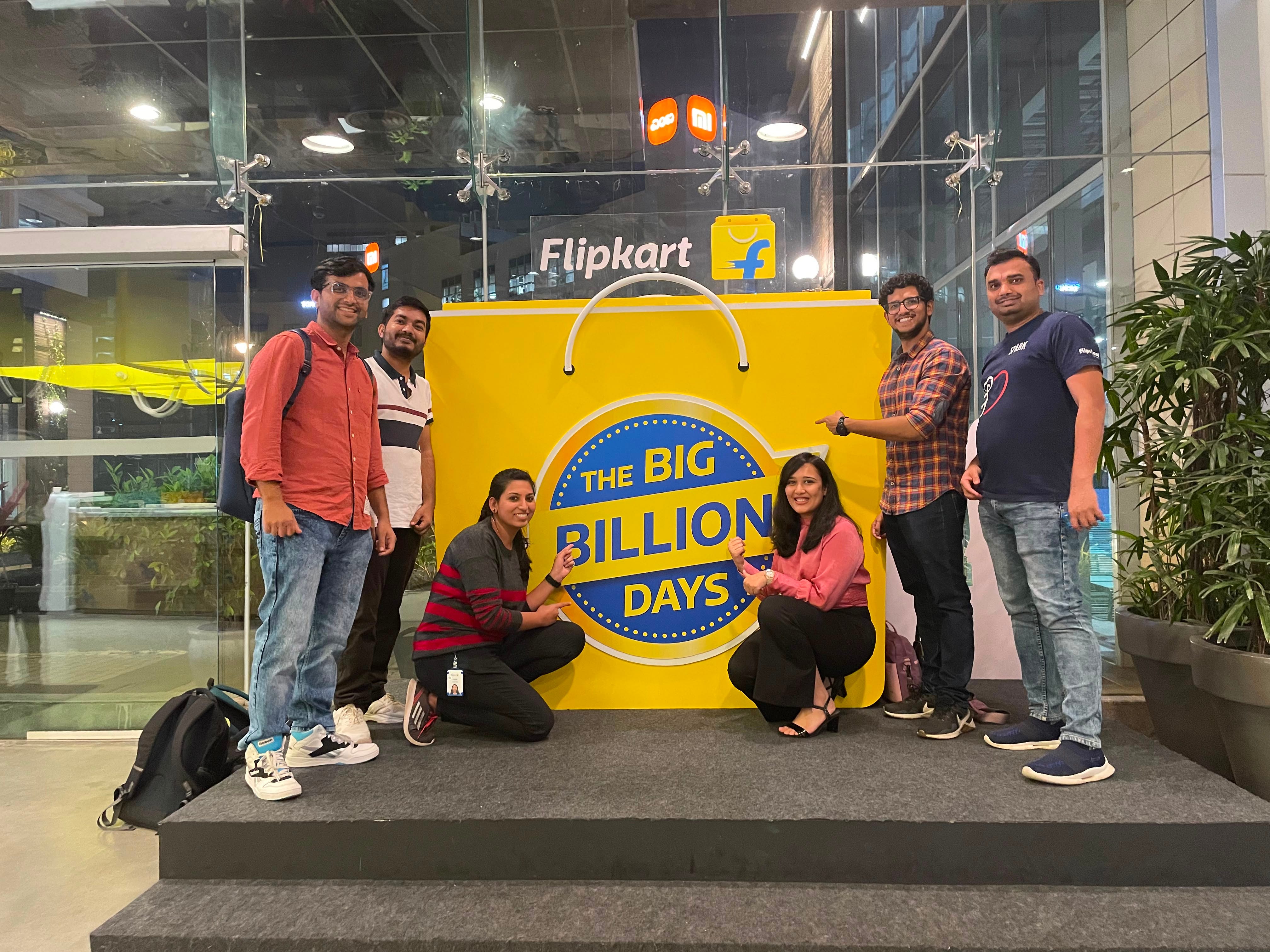
But the biggest thing that Flipkart gave me was seeing how people build their own dreams. I saw the passion founders had, the risks they took and the amount of uncertainty they were willing to live with. That really stayed with me. Slowly, I started feeling that I wanted to experience that myself. I wanted to know what it felt like to take something from zero and build it.
My first startup
In 2022, I started Sign3.ai. If I’m being honest, we had no idea what we were doing when we started. There were three of us from tier-1 colleges and good backgrounds, but we didn’t have a perfectly validated idea. We eventually had a three-page Google Doc explaining what we wanted to build.
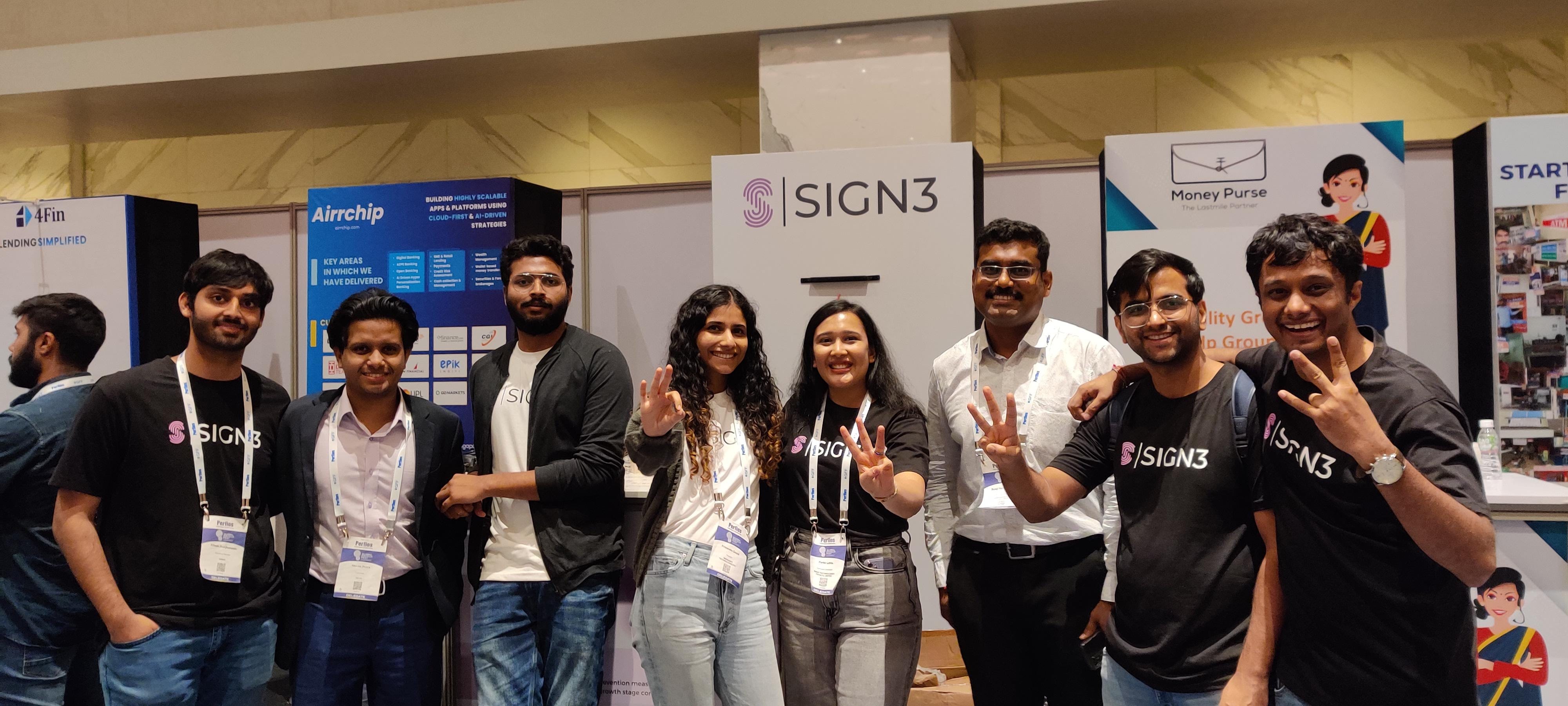
The crazy part was that we managed to find investors who believed in us even before we had built anything. They invested based on that idea and their belief in us.
We started building, got customers, worked with neobanks and marketplaces and eventually scaled the company to around $500K ARR. I eventually exited Sign3, and around the same time, ChatGPT was starting to take off. I was really excited by the possibilities LLMs were opening up and knew I wanted my next company to be built around AI.
Starting DeepSolv
After Sign3, I knew I wanted to build again, and this time around Gen AI.
That’s how Purby, my co-founder, and I started Deepsolv. We had known each other since college and had already worked together at Flipkart and Sign3.
Initially, we wanted to build around social commerce. We felt the space was evolving quickly, and saw an opportunity to use generative AI to help brands grow through organic social media. But soon realised it was a vitamin, not a painkiller. The problem wasn’t tied closely enough to business outcomes, and the subjective nature of content and engagement made it hard to productise. What we gradually realised was that the bigger opportunity was in helping marketing teams make better decisions around the parts of marketing most directly tied to P&L.
We kept talking to customers and experimenting until enterprise customers approached us with a different problem: managing negative comments on their paid ads. Unlike our earlier use case, they were willing to pay for it upfront.
If a customer is willing to pay you to solve a problem, that’s a very different signal from someone simply saying they like your product. It made us realise that we were looking at the wrong part of the problem. By the end of 2025, we decided to move away from organic social media and focus on performance marketing.
We started with solving the problems like:
Why did one ad work while another didn’t?
What should I test next?
What are competitors doing?
What are customers saying in comments and reviews?
What trends are emerging that could turn into a creative opportunity?
As AI makes it easier for teams to create and test more content than ever before, we believe the harder problem will increasingly be deciding what to create, what to test, and what to scale.
That’s what we’re trying to answer with Deepsolv. We bring together ad performance data, competitor intelligence, social trends, comments, reviews and other customer signals to help brands understand not just what is happening, but why it is happening - and what to test, iterate, scale or kill next. The goal is to build an intelligence layer that gets better as it learns from every campaign and experiment.
The hardest ‘No’
The hardest thing was learning not to confuse activity with progress. As engineers, it is easy to keep building because a customer asks for something, especially when there is money attached to it. But we realised that if every customer requirement became part of the roadmap, we would slowly lose sight of the product we actually wanted to build.
So we became much more disciplined about what we said yes to. If something didn’t fit the problem we wanted to solve or the direction of the product, we would rather walk away from the revenue. At the same time, we stopped treating interest as validation. We moved away from free trials and started asking customers to pay for pilots.
Interest is easy to get. The real validation is when someone is willing to pay to solve the problem.
The reality of being a founder
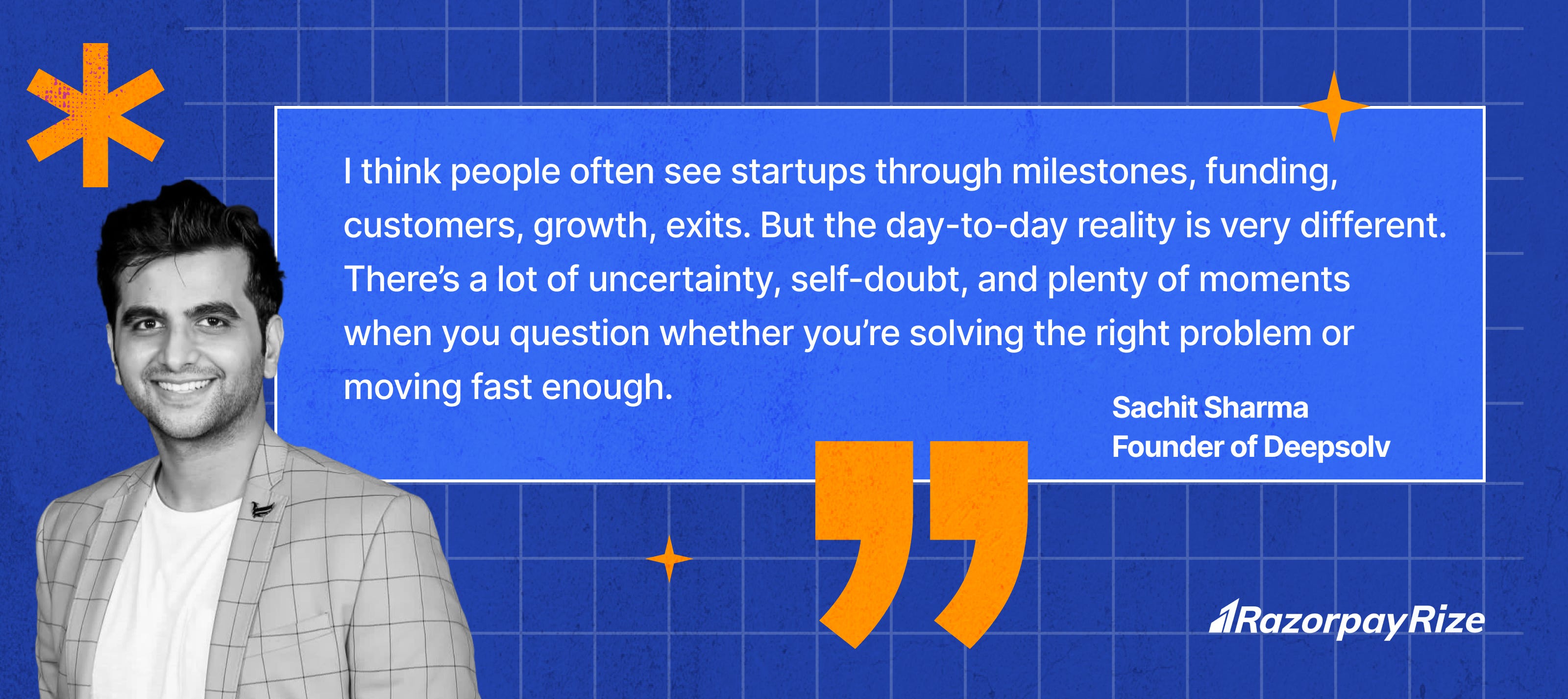
I think people often see startups through milestones, funding, customers, growth, exits. But the day-to-day reality is very different. There’s a lot of uncertainty, self-doubt, and plenty of moments when you question whether you’re solving the right problem or moving fast enough.
What I’ve learned is that you still have to show up the next day and keep going.
There was a time when I didn’t really understand what people meant by “creating value.” I used to hear successful founders talk about it, but it felt abstract. I understand it much better now.
You really feel it when something you’ve built starts changing outcomes for someone else, when a customer makes more revenue because of your product, when a team becomes significantly more effective, or when they can do something they simply couldn’t do before. That’s when you realise that building a company is ultimately about creating value for other people.
That, for me, has become one of the most rewarding parts of entrepreneurship.
The people and wins behind Deepsolv
One of the biggest moments for us at Deepsolv was getting one of the world’s leading marketing agencies as a customer. It was a huge validation, not only that the problem was real, but that the same problem existed within sophisticated marketing teams managing large volumes of campaigns and creative decisions.
I’m also lucky to have a cofounder who complements me well, a great team, and angels who believe in us. Purby takes care of product and technology, while I focus on business and sales. We don’t always agree on everything, but we’ve learned to trust each other’s judgment and give each other space to own our areas. It makes things a lot easier when things get chaotic, because we know we can rely on each other to figure things out.
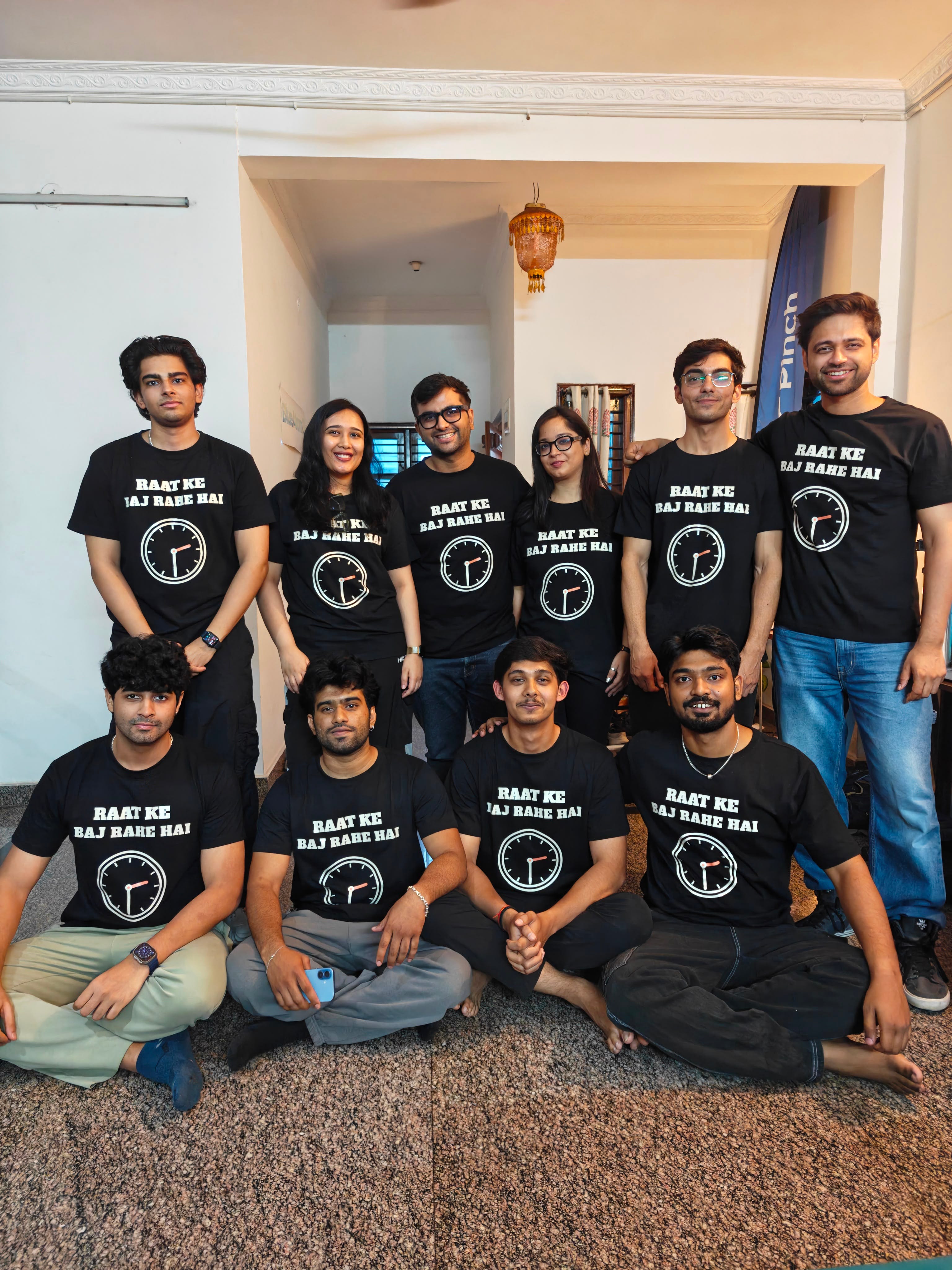
And honestly, building a company can get intense, so I think it’s important to have things outside the work to look forward to. We’ve promised the team that once we close our current round, we’re taking everyone on a vacation. When you’re building something for the long term, you need reasons to pause, celebrate, and enjoy the journey along the way.
Five years from now
If you had asked me in college what success meant, I probably would have said getting the highest package. At Flipkart, success was about learning as much as I could and becoming really good at what I was doing. With my first startup, it became about building and scaling a company.
Today, I think about it differently. I want to build something that people genuinely need. Something that creates real value and can become much bigger than me.
For Deepsolv, the five-year vision is to become the decision intelligence layer for marketing teams. Today, we are starting with creative performance, helping teams understand what is working, why it is working and what they should test next.
Over time, we want Deepsolv to help teams make better marketing decisions across the board and gradually become the intelligence layer behind how modern marketing teams operate.
Life beyond building
Outside of work, I’m naturally curious about how people think and live. I enjoy geopolitics, spirituality, different cultures and philosophies, and I often go down rabbit holes that expose me to perspectives very different from my own, especially stories from unusual or remote parts of the world.
I think that curiosity helps me question my assumptions and broaden how I look at things. I also love cricket, badminton and pickleball, and enjoy meeting people who make me think differently.
Looking back, a lot of my journey has been shaped by the people I met, the things I saw and the chances I decided to take. I’ve always enjoyed turning ideas into something real, now I get to do it with a team, a product and a problem that matters.
At Razorpay Rize, we’re drawn to founders who build patiently, stay close to the problem, and don’t get carried away by the hype. Sachit Sharma is a great example. He spent months talking to customers, let go of an idea that wasn’t working, and kept iterating until he found a problem people genuinely cared about and were willing to pay to solve.
That's a version of entrepreneurship most founders will actually recognise in themselves.


Dive into Vault today & unlock a world of possibilities.