


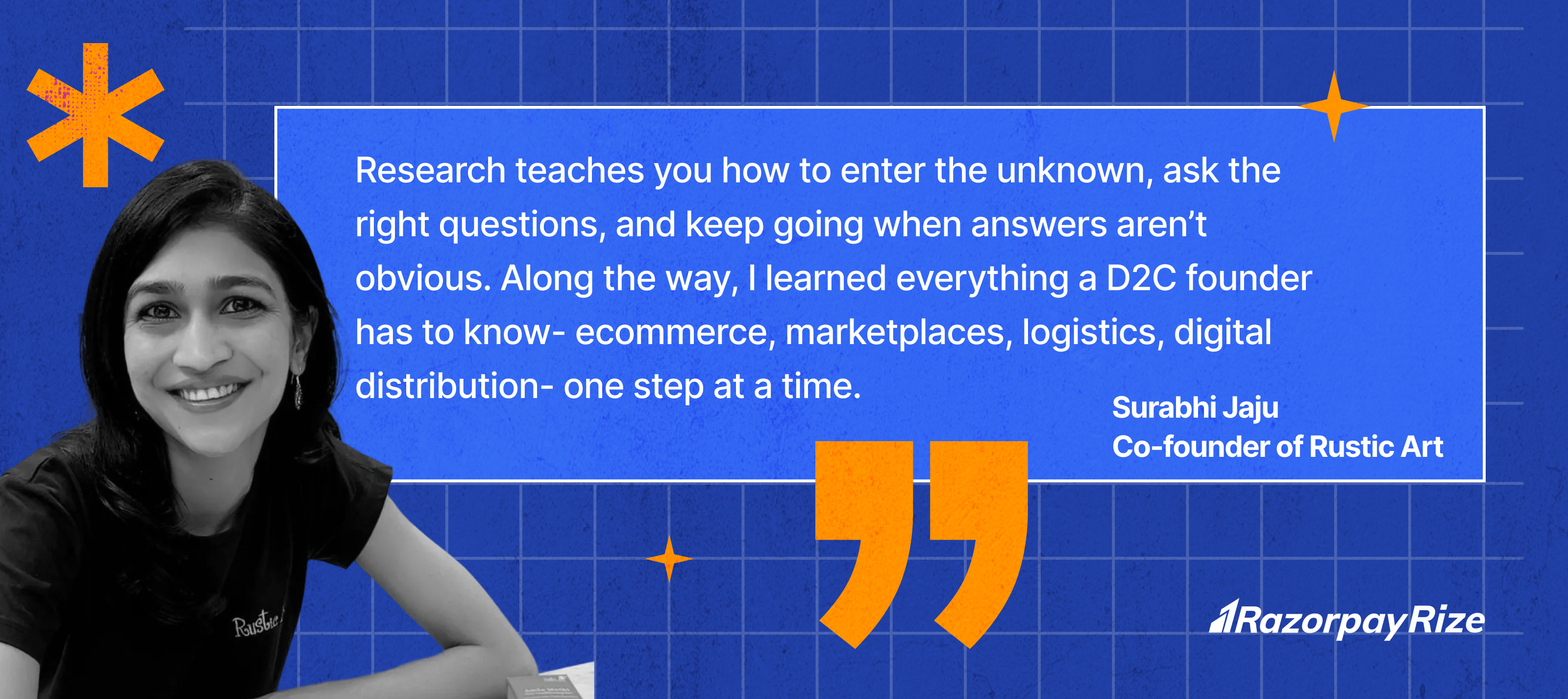
At Razorpay Rize, we meet founders building quietly but meaningfully- often far from the spotlight. Dr Surabhi Jaju is one such founder. Building from Satara, a tier-2 city in Maharashtra, Surabhi leads Rustic Art, an organic and natural personal and home care brand rooted in sustainable manufacturing and conscious living.
I didn’t start out thinking I would build a beauty brand.
On paper, my journey looked very different. I did my PhD in Economics. I cleared CFA Level 2. Research, data, policy- that was supposed to be my world. But somewhere deep down, I always knew one thing: whatever I ended up doing, it would be business.
Entrepreneurship showed up early for me. In my early twenties, my brother and I started something called Gana Banana. He was a musician, and together we built personalised poems and music for gifting. We sold through Facebook. It spread through word of mouth and worked surprisingly well. It was exciting, messy, and full of learning. We eventually shut it down. Still, that experience stayed with me. It taught me what it feels like to build something from scratch.
How Rustic Art Really Started?
Rustic Art didn’t start with me; it began with my mother.
In 2010, after completing her Master’s in Sustainable Development, she wanted to create something rooted in organic and sustainable living. We initially tried distributing organic food products, but soon realised that food wasn’t the space we wanted to be in.
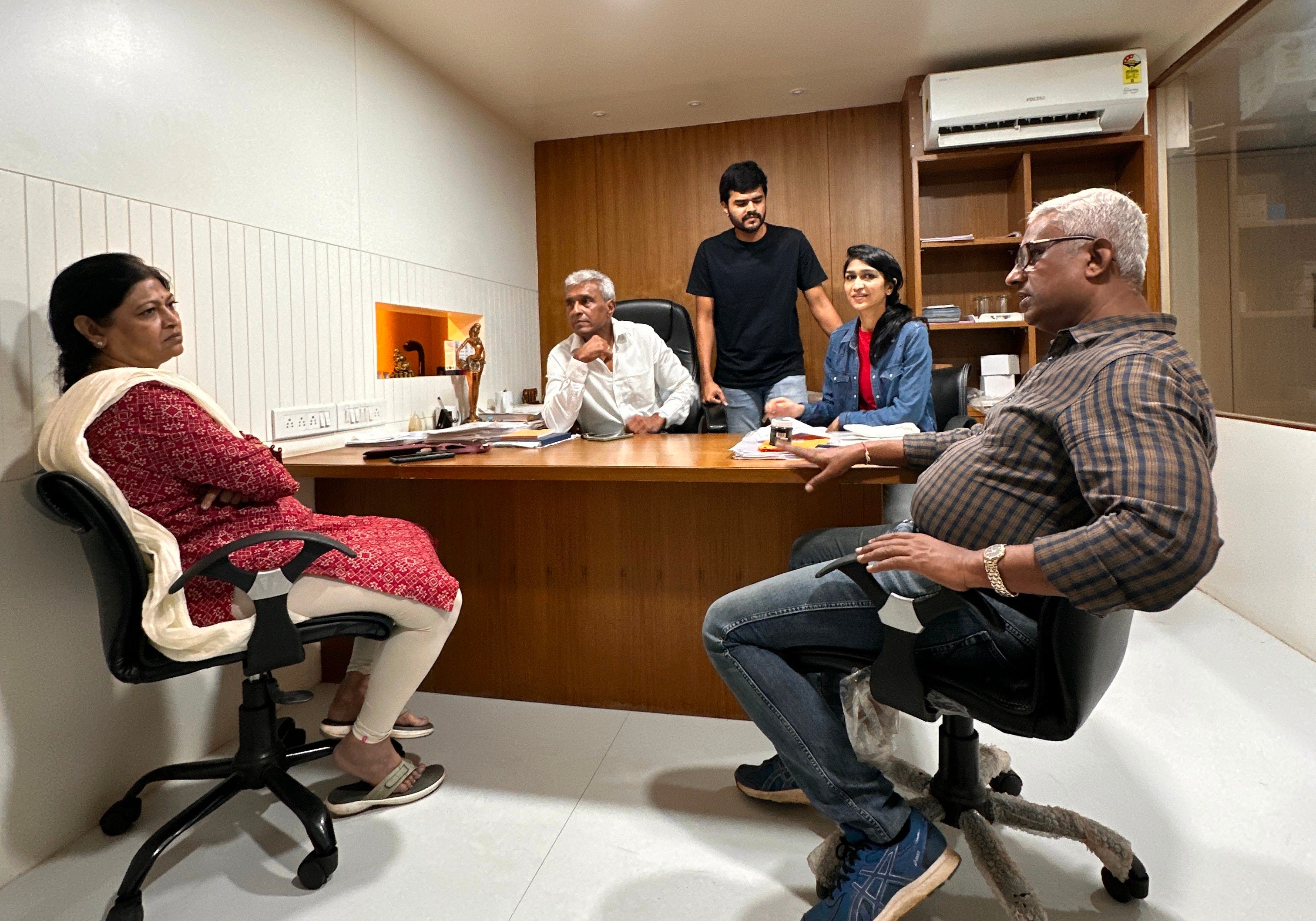
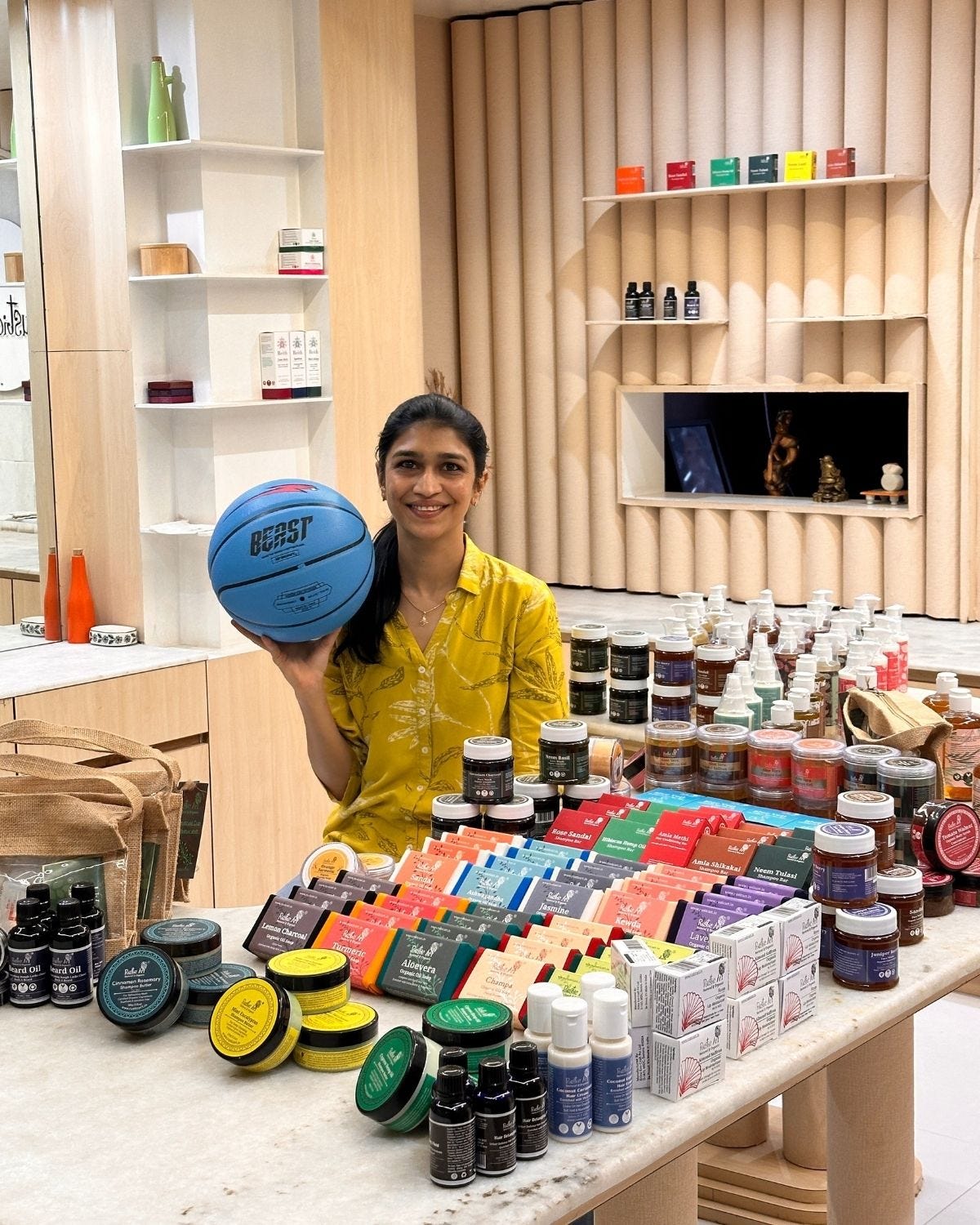
What felt right was personal and beauty care- products people use every day, products that quietly shape their health and lifestyle.
In 2011, Rustic Art was born!
Our initial years were spent creating awareness. We had to explain why organic matters, why sustainability isn’t a marketing trend, and why toxin-free products deserve attention. Growth was slow, but it was real. People started noticing the difference.
After completing my PhD, I began working more closely with the family business. But the moment I truly stepped in was in 2018, when our manufacturing unit was ready.
Recruiting in a Half-Built Factory
I still remember my first real responsibility- recruiting employees while sitting inside a half-constructed factory.
That factory became the heart of Rustic Art. It runs on solar energy. It’s a zero liquid discharge unit. Every drop of water is treated and reused for gardening within the premises. The trees on the premises were preserved, including a neem tree that existed long before the factory and now provides leaves used in our product formulations. Sustainability was embedded into how we built it.
Learning to Build as a D2C Founder
As we grew, we began experimenting with waterless beauty care products- formulations that are more sustainable, more concentrated, and better value for customers.
My PhD helped me here in unexpected ways. Research teaches you how to enter the unknown, ask the right questions, and keep going when answers aren’t obvious. Along the way, I learned everything a D2C founder has to know- ecommerce, marketplaces, logistics, digital distribution- one step at a time.
Choosing Substance Over Trends
As the beauty industry increasingly started to resemble fast fashion- jumping from one viral ingredient to another- I consciously chose a slower path.
I want this industry to help people and the environment. To encourage wellness. To make toxin-free, organic living a habit, not a trend.
That philosophy shaped Rustic Art’s product decisions, formulations, and pricing.
Early feedback wasn’t always encouraging. Many felt the products were “too expensive.” But instead of racing to discount, the team stayed firm. Over time, customers began to see the difference, not just on their skin, but in their lifestyle. That acceptance validated everything we were building.
The Wins That Matter Most
In 2019, we decided to take Rustic Art online. We already had our website, but Amazon felt like a big step. One day, we just created a seller account. The first day brought one order. Then ten. Then twenty. Then thirty.
E-commerce changed how we did business. It made growth easier, reach wider, and feedback immediate. Today, Rustic Art has been an Amazon bestseller in multiple categories- a milestone built quietly over the years.
Setting up the factory certainly ranks high. So does building an in-house manufacturing capability rooted in sustainability. But the biggest milestone?
When people come back with stories about how our products helped them- that’s everything!
The Hard Days, the Good Days, and COVID
The journey hasn’t been easy, but I’ve been fortunate. I come from a family that understands business and stood by me throughout. I don’t really see my work as work- I genuinely love what I do.
During COVID, when logistics failed and uncertainty was everywhere, our team showed up. We stayed connected with customers, stepped into essentials, and kept going. That period strengthened trust and reminded people why safe, effective products matter.


If there’s one lesson I keep coming back to, it’s this:
Pick one thing at a time
Build a product so good it speaks for you
If not this, then what…
I’d probably be teaching, researching, or working in public policy.
For now, I’m here- building Rustic Art from Satara, slowly, consciously, and with intention. And honestly, I wouldn’t want it any other way.
Building Rustic Art from Satara, Surabhi has shown that world-class, sustainable brands don’t need to come from big cities or chase fleeting trends. With a rare blend of academic depth, business acumen, and values-led leadership, she has helped shape Rustic Art into a thoughtfully scaled brand powered by conscious manufacturing, innovation, and trust.
Her journey reflects the kind of entrepreneurship we believe in at Razorpay Rize- founders who build patiently, stay rooted in purpose, and create long-term impact for customers, teams, and the ecosystem at large.


Dive into Vault today & unlock a world of possibilities.